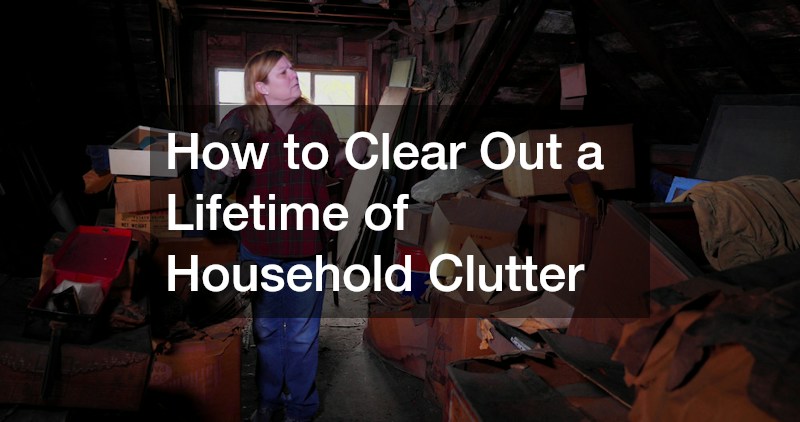
Over decades of living in a home, possessions accumulate quietly and continuously. What begins as a collection of cherished possessions, useful household tools, and meaningful mementos can slowly transform into an overwhelming accumulation of items that crowds closets, fills basements, and overflows into living spaces. Facing decades of accumulated possessions is often as emotionally demanding as it is physically exhausting. It is common to feel paralyzed by volume overwhelm, uncertain where to begin or how to make decisions about items tied to decades of family history.
This gradual accumulation is a natural byproduct of a life fully lived. Every life stage—raising children, pursuing hobbies, hosting holidays, and maintaining a household—requires equipment, materials, and physical keepsakes. Over time, however, these objects often outlast the specific life chapters that brought them into your home. Belongings migrate into secondary storage spaces like attics, spare bedrooms, and garage corners, where they sit undisturbed for years. When you eventually confront these dense zones, the sheer quantity of items triggers visual fatigue, while the sentimental weight tied to family heirlooms and personal milestones makes even simple sorting decisions feel heavy and complex.
Attempting to tackle this volume without a clear plan almost always leads to frustration, half-finished rooms, and physical exhaustion. The paralysis comes from viewing decades of accumulation as one single, monumental task rather than a series of smaller, distinct operations. Without established criteria for what to keep, donate, or discard, every single item requires an individual emotional negotiation, draining your energy before you even complete a single storage closet or room.
Clearing out a lifetime of accumulation does not have to be an all-or-nothing ordeal. By shifting from a chaotic, reactive approach to a structured, room-by-room methodology, you can break a daunting project down into manageable, predictable steps. Combining practical sorting frameworks with strategic disposal options and professional logistics support allows you to honor your memories while freeing your living space from unnecessary physical weight. Reclaiming your home restores daily functional clarity, simplifies future property transitions, and creates a calm, organized environment tailored to your current lifestyle.
Establishing Sorting Systems and Managing Sentimental Attachment

The primary barrier to clearing out long-term household accumulation is decision fatigue. When every box contains a mix of old paperwork, forgotten utility items, and sentimental keepsakes, your brain spends immense energy evaluating every single piece. Creating a clear, objective sorting framework before opening the first cabinet prevents emotional burnout and keeps project momentum steady.
Implementing the Four-Box Method
To maintain speed and clarity, designate four distinct physical sorting zones in whichever room you are tackling: Keep, Donate/Sell, Relocate, and Discard. Every item lifted must be placed into one of these four categories immediately—no “maybe” piles allowed.
- Keep: Reserved strictly for items you actively use, genuinely love, or need for daily living. These pieces must fit comfortably within your current storage spaces.
- Donate/Sell: Items in good, usable condition that no longer serve your daily life but could benefit someone else or generate extra cash through consignment.
- Relocate: Possessions that belong in a different room within the house, or heirlooms designated for family members living elsewhere.
- Discard: Broken items, expired goods, stained textiles, and unrepairable household objects that have reached the end of their useful life.
Preserving Memories Without the Physical Bulk
Sentimental attachment often makes parting with family heirlooms difficult. It is essential to remember that an item’s memory resides in your mind, not in the physical object itself. Taking high-resolution photographs of vintage items, family furniture, or childhood collections allows you to create a digital memory book that preserves the story without occupying valuable square footage.
When transferring significant family pieces to children or relatives, partnering with reputable local moving companies ensures that delicate antiques are wrapped and transported safely to their new homes. If you are undecided about specific furniture pieces during an active sort, placing them temporarily into a secure Moversmoving and storage facility keeps your living areas clear while you make thoughtful, unhurried decisions about their permanent placement.
Clearing Out Heavy Debris and Unsalvageable Property

As you work through high-density storage zones like attics, basements, sheds, and garages, you will inevitably encounter large quantities of unsalvageable material. Decades of atmospheric moisture, temperature shifts, and pest activity can render stored textiles, paper archives, old mattresses, and particle-board furniture completely unusable.
Managing Large-Scale Debris Removal
Attempting to dispose of years of accumulated trash through regular weekly curbside garbage collection can take months and lead to unsightly property clutter. Staging a dedicated waste container directly on your property allows you to clear out high-volume junk rapidly during focused weekend work blocks.
Renting an on-site dumpster rental gives you an immediate, centralized collection point for damaged building materials, broken outdoor furniture, water-logged carpet rolls, and dilapidated storage crates. Having a large container steps from your garage or back door drastically reduces the physical effort of walking items back and forth across the property.
Utilizing Professional Waste Removal Teams
Certain heavy, bulky, or hazardous items cannot be thrown into a standard waste container or left on the curb. Broken refrigerators, old televisions, heavy cast-iron fixtures, and worn-out sofas require specialized handling and proper municipal disposal.
Hiring a professional junk removal crew solves this heavy-lifting challenge. These teams handle the strenuous labor of hauling heavy, awkward items out of deep basements, tight attics, or outdoor sheds directly into their trucks, saving your back and ensuring materials are sorted for recycling or safe disposal according to local environmental regulations.
Managing Cross-Country and Regional Item Redistribution
A major component of clearing out a long-term family residence involves passing prized possessions, heirloom furniture, and personal archives along to the next generation. However, family members rarely live in the same neighborhood, making regional and interstate shipping a critical part of your overall decluttering plan.
Coordinating Long-Distance Heirloom Shipping
When sending antique dining sets, piano collections, framed artwork, or delicate china to family members across state lines, standard parcel shipping is rarely adequate. High-value, delicate heirlooms require professional packing, custom wooden crating, and air-ride transport to prevent damage en route.
- Interstate Transport Planning: Coordinate with specialized carriers experienced in long distance moving to manage complex multi-stop routes across different states.
- Professional Inventory Tracking: Ensure every crated heirloom is cataloged with detailed condition reports before loading to ensure accountability across long transit routes.
- Scheduling Destination Deliveries: Work with receiving family members to confirm delivery windows so they are present to inspect and unpack heirlooms upon arrival.
Protecting Fragile Goods During Transport
Entrusting cherished family items to professional movers who specialize in white-glove handling ensures that delicate glass fronts, original finishes, and fragile joinery remain completely protected.
Professional transport crews utilize heavy quilting, corner protectors, custom stretch wrapping, and secure tie-downs inside climate-controlled trucks. This level of care ensures that family treasures arrive at their destination in pristine condition, ready to be enjoyed by future generations.
Executing Whole-House Cleanouts and Regional Transfers

Tackling a whole residence requires a strategic progression. Trying to sort a kitchen while bedrooms are filled with overflow creates bottlenecks. Executing a systematic clear-out requires starting in low-sentiment, utility-driven zones before moving into personal living quarters.
Systematically Clearing Utility and Storage Zones
Begin your clear-out in high-density, low-emotion zones like the garage, utility closet, or basement. These areas typically contain mechanical tools, duplicate hardware, expired yard chemicals, and old packing boxes—items that require very little emotional energy to sort.
Completing a whole-property house cleanout in these initial utility zones builds early momentum, creates immediate visual progress, and opens up valuable staging space where you can sort, box, and organize items from higher-sentiment areas like bedrooms and living rooms later in the process.
Organizing Local Item Transfers and Heavy Lifting
Once items are categorized into donation, sale, or transfer piles, you need efficient logistics to move them off your property quickly. Letting sorted donation boxes sit in your hallway for weeks creates visual clutter that undoes your hard work.
- Short-Haul Charity Deliveries: Schedule flexible local moving services to transport large furniture donations directly to regional charities, thrift shops, or consignment houses.
- Heavy Structural Lifting: Partner with licensed house movers to extract bulky armoires, heavy dressers, and solid wood tables through tight stairwells without scuffing walls or damaging hardwood floors.
- Staged Room Releases: Clear one complete room at a time, using the newly emptied space as a clean staging area for final box labeling and distribution.
Reorganizing Remaining Possessions and Installing Custom Storage
Once you have purged unsalvageable waste, donated unwanted goods, and shipped heirlooms to family, you are left with the items that truly matter. The final phase of clearing out a lifetime of clutter is organizing these remaining possessions into functional, accessible, and beautiful storage systems.
Designing Intentional Functional Zones
An organized home relies on the principle that every item must have a specific, designated home. Group similar items together logically—keep all holiday decor in one dedicated zone, group automotive supplies together in the garage, and keep all linen reserves near bedrooms.
Avoid stacking boxes directly on the floor where they attract dust and hinder movement. Instead, utilize vertical wall space by installing sturdy adjustable shelving units that keep floor spaces completely open, clean, and accessible.
Upgrading Built-In Storage Infrastructure
To prevent future clutter accumulation, invest in high-quality interior storage solutions that make maintaining order effortless. Standard closets with a single high shelf and hanging rod waste immense amounts of usable space.
- Custom Pantry and Closet Systems: Engage professional cabinetry services to design custom pantry pull-outs, built-in bedroom closet organizers, and dedicated shoe shelving tailored to your exact inventory.
- Garage Wall Systems: Install slatwall paneling, heavy-duty overhead ceiling racks, and lockable storage cabinets to keep tools, sports gear, and seasonal items neatly off the ground.
- Establishing Retention Rules: Adopt a strict “one-in, one-out” rule for clothing, books, and kitchenware to ensure your newly organized storage spaces never become overcrowded again.
Master Lifetime Decluttering Planning Checklist

Use this practical, step-by-step checklist to guide your decluttering journey from initial planning through final organization.
Phase 1: Preparation & Setup (Weeks 1–2)
- [ ] Establish designated sorting areas in the house using the Four-Box Method.
- [ ] Gather heavy-duty packing supplies: clear bins, sturdy boxes, packing tape, and permanent markers.
- [ ] Take high-resolution photographs of sentimental items you plan to rehome or donate.
- [ ] Research and reserve an on-site waste container or schedule a bulk waste team.
- [ ] Contact regional transport specialists for out-of-state heirloom distribution.
Phase 2: Active Sorting & Purging (Weeks 3–6)
- [ ] Clear out low-sentiment zones first (garage, attic, utility closets, basement).
- [ ] Move heavy, unsalvageable debris into your waste container daily to keep walkways clear.
- [ ] Pack, label, and inventory heirloom pieces destined for relatives living elsewhere.
- [ ] Schedule short-haul pickups for furniture donations and consignment deliveries.
- [ ] Complete room-by-room sorting in living areas, bedrooms, and kitchen zones.
Phase 3: Final Organization & Systems (Weeks 7–8)
- [ ] Deep clean all emptied closets, cabinets, pantries, and storage rooms.
- [ ] Measure empty storage zones and plan vertical shelving configurations.
- [ ] Install built-in shelving, closet organizers, or custom garage cabinets.
- [ ] Place remaining “Keep” items into designated zones using clear, labeled bins.
- [ ] Establish a daily reset routine and maintain strict item retention policies moving forward.
Clearing out a lifetime of household clutter is a transformative journey that extends far beyond simple house cleaning. By systematically sorting your possessions, letting go of unneeded physical weight, and honoring cherished memories through digital cataloging or heirloom sharing, you regain full control over your living environment.
This deep decluttering process provides a profound emotional reset. The spaces we inhabit directly influence our cognitive load and stress levels; living among decades of unorganized accumulation creates a persistent background noise of visual tension and deferred decisions. By deliberately deciding what deserves a place in your home, you shift from being a passive custodian of physical items to an intentional curator of your personal sanctuary. Reclaiming closets, basements, and living rooms frees up mental bandwidth, restores a sense of agency, and re-establishes healthy boundaries between your past experiences and your present life.
Moreover, approaching a whole-house clear-out systematically protects your physical wellbeing and financial health. Trying to haul heavy furniture, maneuver through crowded spaces, or manage entire estate transitions alone often leads to physical injury, property damage, or unnecessary expenditure on emergency short-term storage solutions. Strategically leveraging professional support allows you to delegate the heavy lifting, navigate complex interstate distribution, and ensure unsalvageable debris is disposed of responsibly.
Partnering with vetted trade specialists, waste removal professionals, and regional logistics experts turns an overwhelming project into a structured, achievable process. When the sorting is finished and your custom storage systems are in place, you are left with a home that feels spacious, quiet, and functional—a peaceful sanctuary that truly supports your life today and for years to come.